The Difference Between Kunefe and Baklava: Sweet Cousins, Different Stories
Same syrup, same region, same pistachio. But one is served hot, the other with kaymak. Kunefe and baklava are like siblings, yet each walks its own path.
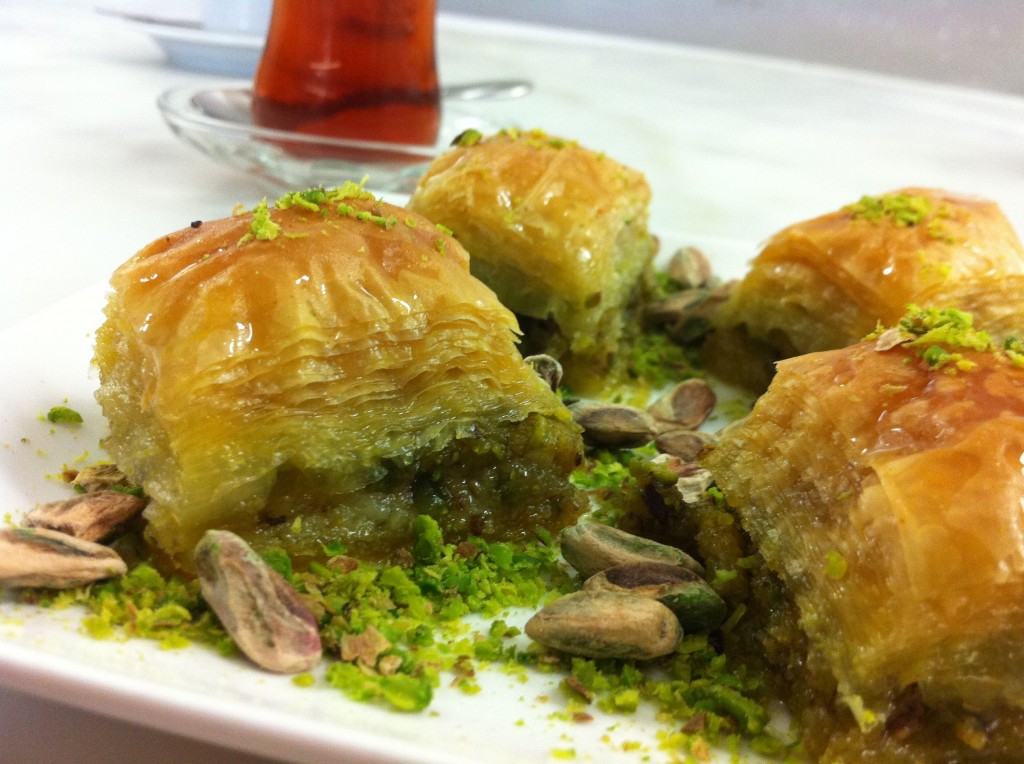
Turkish dessert culture has two great classics: baklava and kunefe. Often confused but fundamentally different, these two desserts come from the same geography, use the same syrup, but are made with entirely different techniques.
Dough Difference
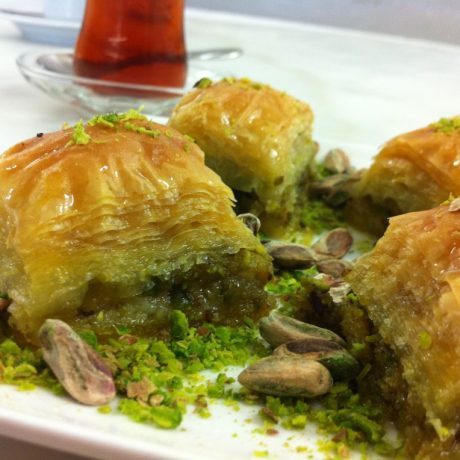
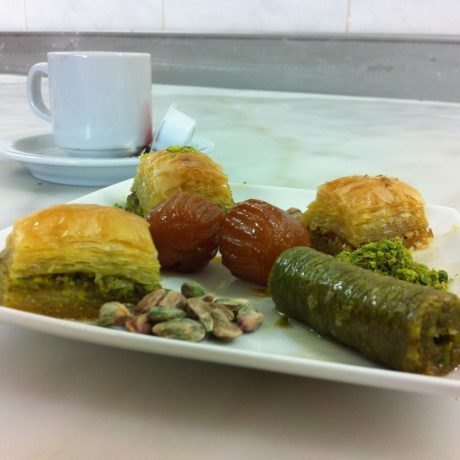
Baklava is made of layered thin phyllo. Phyllo is hand-rolled with an oklava, dry and almost transparent. Kunefe is made of kadayif threads — dough melted and poured through a fine sieve to form thin strands.
Production Difference
In baklava, filling (pistachio or walnut) is placed between dough layers and cut into diamonds. In kunefe, kadayif is laid in two layers with special fresh cheese in between, then cooked directly in a pan on stove — not in oven.
Service Difference
Baklava is served at room temperature or slightly cool. Kunefe must be served hot. As soon as it cooks, syrup is added and it goes straight to the table — the cheese inside stretches into threads, one of the most sensual sights in dessert world.
Presentation Difference
Baklava can be enjoyed without kaymak or ice cream. But kunefe is incomplete without a piece of kaymak and pistachio dust on top.
Which to Choose?
Ask yourself: do you want a soft, layered dessert, or a crispy, hot experience? Baklava is steady pleasure. Kunefe is a freshly cooked show. At Sultan's Patisserie, both classics exist — try one with afternoon tea, the other after dinner.